A judge in Cameroon has rejected calls for a partial or full annulment of a hotly contested presidential election and said he would announce the results on Monday.
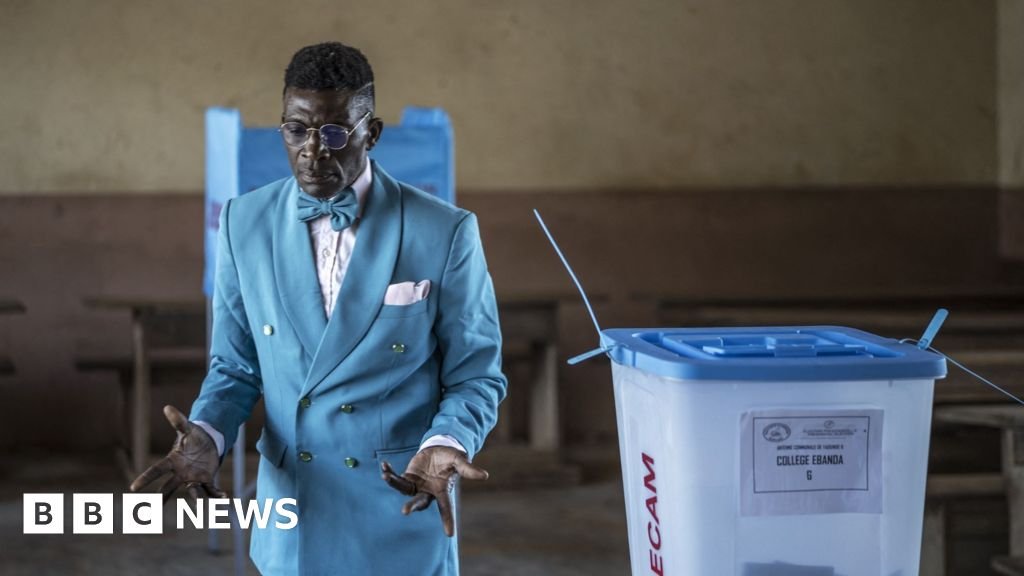
The country’s major cities have been rocked by protests, with opposition supporters alleging irregularities in the October 12 vote, including the filling of ballots.
Constitutional Council judges dismissed eight petitions citing insufficient evidence of irregularities or lack of jurisdiction to annul the verdict.
Opposition candidate Isa Tchiroma Bakari has declared himself the winner – a claim denied by allies of 92-year-old President Paul Biya, who is seeking another seven-year term.
Biya has been in power for 43 years and only addressed one campaign rally before the election.
Tchiroma Bakri, 76, is a former government spokesman who broke with Biya to challenge him for power.
He refused to file complaints with the Constitutional Council, which is appointed by Judge Biya, choosing instead to declare himself the “legitimate and lawful president”.
In a video statement posted on social media, Tchiroma Bakri said he won the election with about 55% of the vote, based on returns representing 80% of voters.
“If the Constitutional Council declares false and fabricated results, it will be complicit in breach of trust,” he declared.
Tchiroma Bakari also warned that “with their backs to the wall, the people will have no choice but to take their destiny into their own hands and win where they can”.
Biya’s ruling party has dismissed his claims of victory, and many officials have described them as illegitimate because only the Constitutional Council can declare an official result.
The influential Catholic Church this week called on judges to ensure that the verdict reflects the will of the electorate.
Rising tensions have fueled fears of post-election violence in a country already rocked by separatist clashes in Anglophone regions and the Boko Haram insurgency in far-flung Northern Territory.











Post Comment