The ongoing closure threatens food aid for 42 million people

In just over a week, Nearly 42 million people In the United States who get federalism Food aid is at risk of its benefits disappearing due to the ongoing federal shutdown.
About 1 in 8 U.S. residents receive an average of $187 per month through the Supplemental Nutrition Assistance Program, or SNAP. One of these people is Shari Jablonowski. The 66-year-old widow, who lives outside Pittsburgh, is preparing to lose the $291 in food aid her disabled nephew receives each month. She’s raising her now-adult nephew and two nieces, and even without this looming crisis, her budget is a tightrope.
"This month, I couldn’t pay anything, gas or electricity," She says. Instead, she makes her monthly car payments, because she needs to drive to doctor’s appointments and visit her mother, and one of her nieces uses the car to get to work.
If her nephew’s food aid disappears in November? "I’m so worried that I won’t get the heat," She says. It would also ruin Thanksgiving.
SNAP, formerly known as food stamps, is the nation’s largest anti-hunger program.
"The vast majority of them are children, workers, older Americans, veterans, and people with disabilities," Joel Berg, CEO of Hunger Free America, says of food stamp recipients. "If SNAP were to close, we would face the greatest mass hunger in America since the Great Depression."
For most people, SNAP is the only money they get directly. Berg points out that cash care declined dramatically in the 1990s, and Medicaid payments go directly to doctors, hospitals and drug companies."One thing that helps middle- and low-income Americans meet their basic monthly expenses is SNAP. That’s why it’s so vital, not just in terms of fighting hunger, but just to keep tens of millions of Americans alive every month." He says.
In addition, a separate feeding program for 7 million pregnant women and new parents is also at risk Running out of money. Trump administration It tapped $300 million in tariff money To keep WIC — the Special Supplemental Nutrition Program for Women, Infants, and Children — afloat, but it is expected to run out within a few weeks. Some states say they will Help bridge this financing gapBut not everyone has the resources for this.
There is pressure on the USDA to continue funding SNAP
Agriculture Secretary Brooke Rollins warned that SNAP funding will run out on November 1, and the USDA told states that payments are on hold. "Until further notice."
The agency blames Democrats, who say they will not vote to end the shutdown unless Republicans agree Extending the Affordable Care Act tax credits To prevent higher health insurance premiums.
In a statement to NPR, a USDA spokesperson said: "We are approaching an inflection point for Senate Democrats. Continue to stick to health care for illegal immigrants or reopen the government so mothers, children, and the most vulnerable among us can get WIC and SNAP benefits in a timely manner."
Illegal immigrants They are not qualified For the Affordable Care Act.
Food assistance advocates say the USDA can and should continue to fund SNAP. "SNAP still has billions of dollars in so-called Emergency reserves," says Katie Berg, senior policy analyst at the Center on Budget and Policy Priorities, a nonpartisan research and policy institute. That wouldn’t cover the full amount, but she says the agency could legally transfer additional money, as it did for the WIC nutrition program. In fact, Berg says the USDA has a legal obligation to fund SNAP because it is an entitlement program.
Administration officials did not respond to NPR’s inquiry about whether there is such a legal obligation.
The origins of American nutritional benefits go back to the Great Depression. If the funding expires next month, Berg says, "We will be in uncharted territory."
For some SNAP recipients, it may be a double whammy. This is because many will be subjected to New business requirements linked to interest Starting November 1 – the same day their benefits may end.
The work requirements, which Republicans in Congress passed earlier this year, are expected to comply 2.4 million people were expelled from the program over the next decade.
States and food banks are scrambling to help
In a Thursday speechThe US Conference of Mayors also urged the USDA not to allow disruption to SNAP benefits, saying the program helps stabilize local economies. Each month, the federal government pays $8 billion in SNAP benefits. The money is automatically added to a debit card that recipients can then use at grocery stores, farmers markets and other places. more than 250,000 food retailers “Count on that income,” says Berg of Hunger Free America.
It is not clear whether the government will act in time to prevent SNAP benefits from expiring. If that happens – but wait until the last minute – it will take days for the benefits to be distributed to states and then to people’s spending cards.
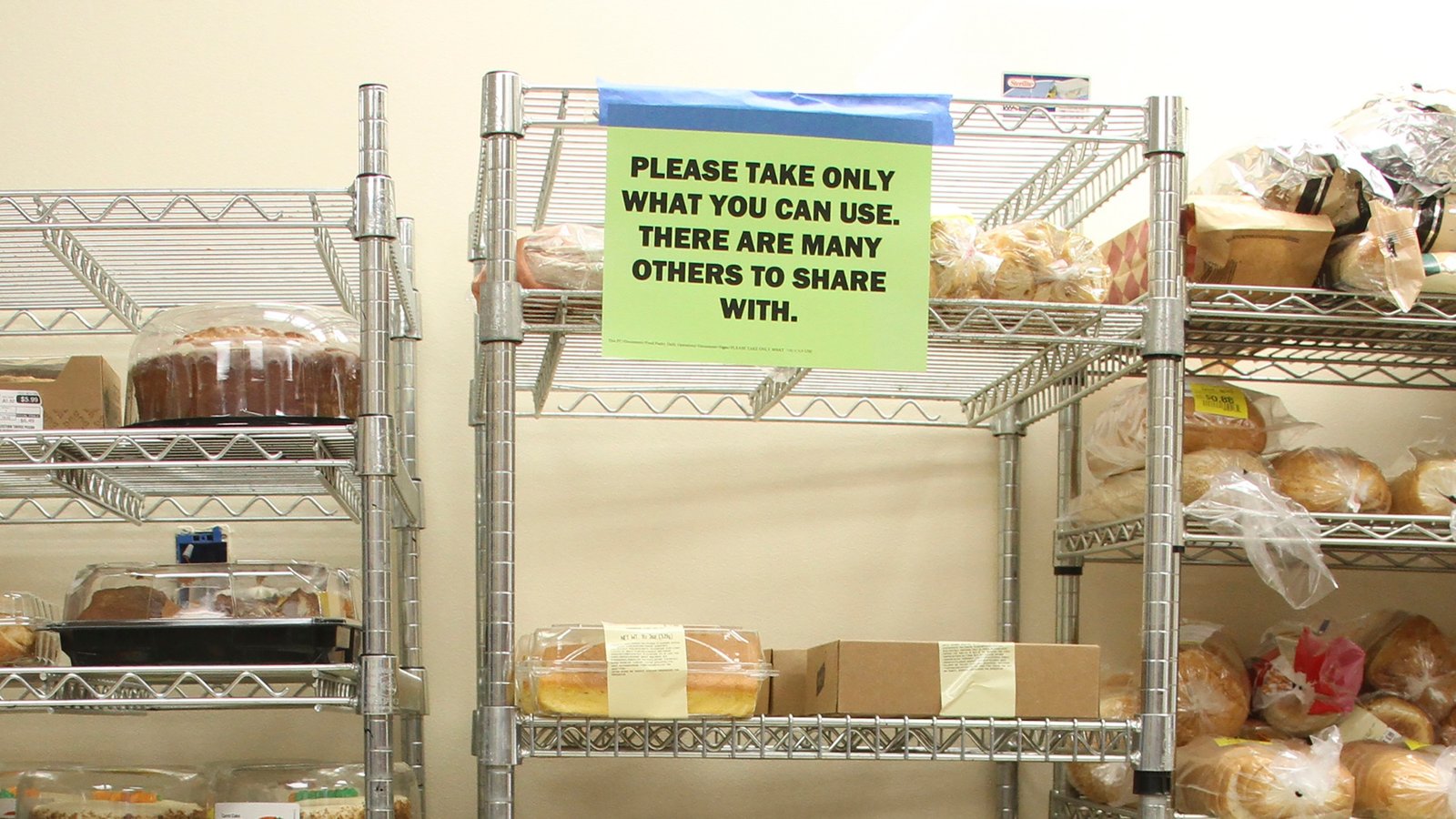
Meanwhile, states Preparing for a hike In demand Food banks. Virginia, for example, declared A Emergency He said it would provide nutritional benefits. Governor of Colorado He urged people to donate To food banks, California said it would Send National Guard troops To help food banks, as has been the case during the COVID-19 pandemic.
But advocates say even expanded food philanthropy won’t make up for the loss of billions in federal funding.
Meanwhile, Shari Jablonowski struggles to think about how to deal with the huge hole in her budget. She has already visited food pantries and plans to step up. but "There is nothing I can do to make money," She says. "I am not in the best of health."
Right now, she’s making big batches of soup and freezing some for later.
Copyright 2025, NPR
Share this content:














Post Comment